
One of the biggest challenges in fashion—especially with online shopping—is finding the perfect fit. An A Fitting Size Chart solves this problem by connecting precise body measurements with standardized clothing sizes. Instead of guessing your size, a fitting chart helps you choose clothing that fits comfortably, looks stylish, and allows confident movement.
This complete guide explains what an A fitting size chart is, how it works, how to take accurate measurements, and why it is essential for everyday clothing as well as fitness and activewear.
What Is an A Fitting Size Chart?
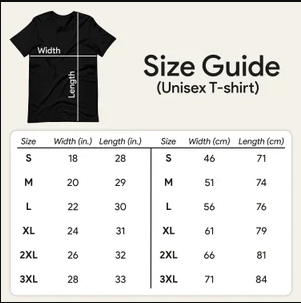
An A Fitting Size Chart is a detailed measurement guide designed to ensure accurate clothing fit for different body types. It replaces generic size labels (S, M, L) with exact numerical measurements, making size selection easier and more reliable.
A standard fitting size chart usually includes:
• Chest or bust
• Waist
• Hips
• Shoulder width
• Garment length
• Sleeve length
By following these measurements, shoppers can avoid size confusion and select clothing that truly matches their body shape.
Why A Fitting Size Chart Is Essential?
Clothing sizes often vary from brand to brand. An A fitting size chart provides clarity and consistency, helping customers make informed decisions.
Key benefits include:
• Accurate sizing: Matches garments to real body measurements
• Improved comfort: Avoids clothing that feels too tight or too loose
• Better appearance: Enhances posture and overall style
• Smarter shopping: Reduces returns and exchanges
• Confidence boost: Well-fitted clothing improves self-esteem
For fitness and performance wear, correct fitting is especially important for flexibility, comfort, and safety during movement.
How to Take Accurate Body Measurements?
Correct measurements are essential when using an A fitting size chart. Always stand naturally and use a soft measuring tape.
Chest Measurement
Wrap the tape around the fullest part of your chest. Keep it level and avoid tightening too much.
Waist Measurement
Measure around your natural waistline, usually just above the belly button.
Hip Measurement
Measure around the widest part of your hips while standing with your feet together.
Shoulder Measurement
Measure straight across the back from one shoulder seam to the other.
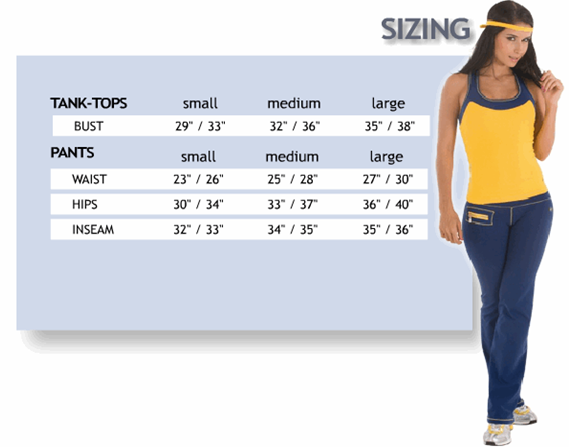
Standard A Fitting Size Chart (Example)
| Size | Chest (inches) | Waist (inches) | Hips (inches) |
|---|---|---|---|
| Small (S) | 34–36 | 28–30 | 34–36 |
| Medium (M) | 38–40 | 32–34 | 38–40 |
| Large (L) | 42–44 | 36–38 | 42–44 |
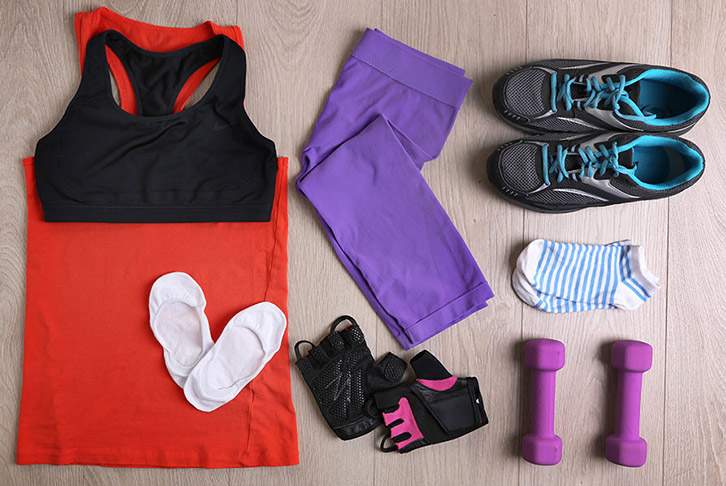
A Fitting Size Chart for Fitness and Activewear
Fitness clothing requires special attention when using an A fitting size chart. Consider:
• Fabric stretch and flexibility
• Breathability and sweat-wicking features
• Freedom of movement during workouts
• Snug but non-restrictive fit
Properly fitted activewear improves performance, comfort, and reduces irritation.
Understanding Fit Types in A Fitting Size Chart
Many size charts include different fit categories:
• Slim Fit: Close to the body for a modern look
• Regular Fit: Balanced comfort and style
• Relaxed Fit: Loose fit for flexibility and ease
Always check the fit type along with the size chart before purchasing.
Common Mistakes People Make With Size Charts:
Avoid these common sizing errors:
• Relying only on height or weight
• Ignoring brand-specific size charts
• Choosing size based on previous purchases
• Forgetting fabric shrinkage or stretch
Always follow the exact fitting size chart provided by the brand.
Why Proper Fit Matters for Exercise and Health?
Exercise and general health are greatly enhanced by dressing according to an A Fitting Size Chart. Exercise clothes that fit properly promote natural body movement, improve flexibility, and reduce discomfort. Exercise consistency and confidence can be impacted by skin discomfort, needless pressure, and restricted motion, all of which can be avoided with well-fitting clothing.
Selecting the appropriate size utilizing a fitting size chart guarantees comfort during everyday active routines, aerobic workouts, strength training, and stretching for people who are concerned about their health and fitness.
What are Benefits of Using A Fitting Size Chart for Online Shopping?
A proper fitting size chart makes online shopping safer and more reliable:
• Reduces incorrect size orders
• Increases buyer confidence
• Improves customer satisfaction
• Enhances brand credibility
This is why size chart content is essential for fashion blogs, affiliate websites, and e-commerce stores.
How A Fitting Size Chart Improves Customer Trust?
Websites that provide clear and accurate size charts:
• Appear more professional
• Gain repeat visitors
• Reduce negative reviews
• Improve conversion rates
For this reason, Google prefers detailed, user-focused size guide content.
Health and Fitness Benefits of Correct Clothing Fit
By supporting clients in wearing clothes that fit their bodies naturally, an accurate A Fitting Size Chart promotes good exercise habits. A healthy fit promotes regular exercise, helps with posture during exercise, and enhances the whole fitness experience.
People can concentrate more on their fitness objectives and long-term health improvement when they wear comfortable, well-fitting gear.
Size Chart Tips for Gym, Yoga, and Fitness Training:
Remember these things while utilizing an A Fitting Size Chart for fitness and exercise apparel:
• Make sure the cloth feels secure but breathable; select sizes that permit a full range of motion.
• Avoid overly tight clothing that may restrict blood flow
• Choose fit types according to your preferred method of exercise, such as a relaxed fit for recuperation or a slim fit for training.
Final Conclusion:
An A Fitting Size Chart is a powerful tool for choosing the correct clothing size with confidence. By understanding body measurements, fit types, and fabric behavior, you can enjoy better comfort and smarter fashion decisions.
Whether you are shopping online or creating content for a fashion or fitness blog, a well-structured size chart improves trust, usability, and overall user experience.